-

The reasons for excessive somatic cells in goat milk during production
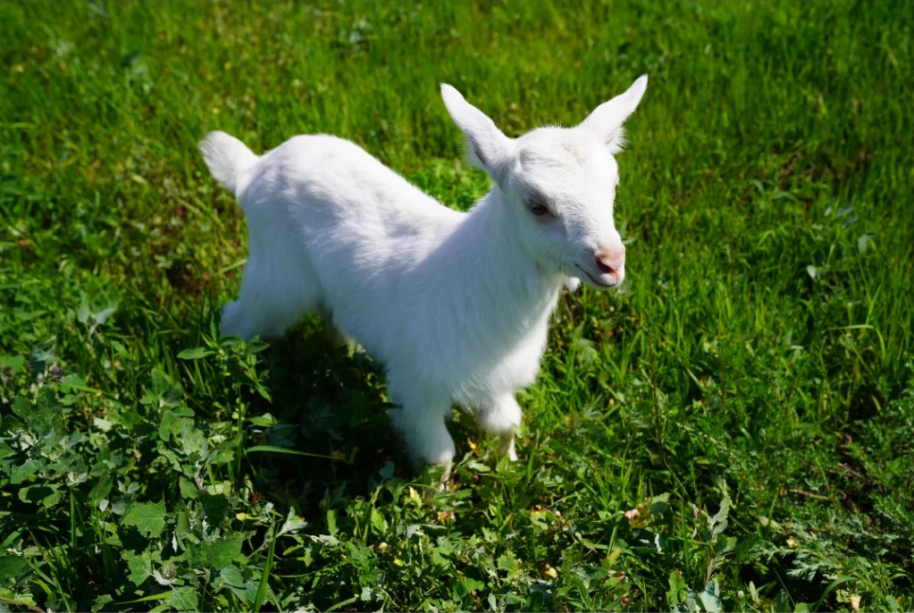
2026-05-13 ReleasedThe number of somatic cells in goat milk is a key indicator for evaluating the quality of fresh goat milk and reflecting the health of the mammary glands of dairy goats. Abnormally elevated somatic cells can reduce the quality of goat milk and affect the economic benefits of dairy goat farming. It is an important signal of mammary gland health problems in dairy goats. In practical production, the excessive somatic cells in goat milk are not caused by a single factor, but are the result of the combined effect of multiple factors.
-
Mold prevention during hot and humid seasons
2025-09-05 ReleasedRecently, most livestock farming regions have been experiencing high temperature and high humidity conditions, making the prevention and control of mycotoxins in feed ingredients for cattle and sheep an urgent priority. Below, I will discuss specific prevention and control measures based on my practical experience in market services.
-
Nutrition and Management of Breeding Sheep
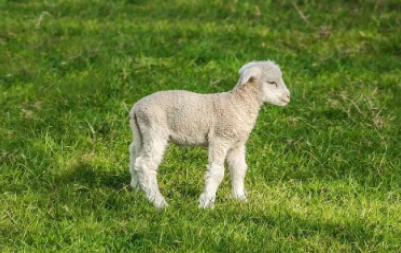
2021-07-24 ReleasedAs the price of lambs rises, more and more people are raising breeding ewes. Farmers are no longer satisfied with ewes that produce only one lamb per pregnancy; breeds capable of producing twins, triplets, or even quadruplets—such as Small-tailed Han sheep and Hu sheep—are gaining popularity among producers. However, many farmers still manage these high-yield ewes using methods designed for single-lamb-producing breeds. This leads to low lambing rates and low birth weights in newborn lambs, issues that are closely linked to improper feeding practices and nutrition.
-
Thoughts on the fattening sheep in Shandong
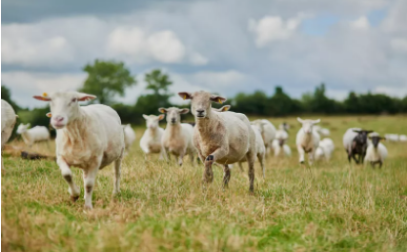
2020-06-15 ReleasedDuring the technical service period in the sheep fattening market of Shandong Province, we visited some farmers in the concentrated breeding areas of Shandong and learned about the main breeding characteristics and existing problems in the region. The purchased lambs in Shandong Province are mainly sourced from places such as Jilin, Heilongjiang, Liaoning, Inner Mongolia in the northeast, and Qinghai in the northwest. Their average weight is generally around 25-50 kilograms. They are usually fattened for 130-160 days. When their weight reaches around 120-140 kilograms, they are sold as live sheep.
-
Breeding and management techniques for sheep
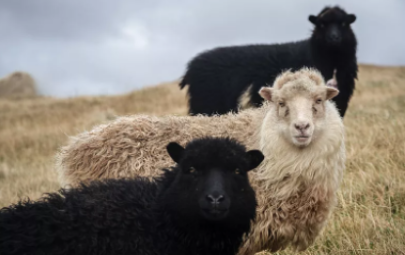
2016-06-23 ReleasedIn addition to ensuring the hygiene of feed and water, the sheep shed and its surrounding environment should also be kept clean and hygienic. The sheep shed should be well-ventilated, dry, and regularly disinfected; the sheep shed and its surrounding environment should be quiet to avoid stress reactions caused by fright, which may affect feeding and digestion; parasitic infections should be prevented by regular bathing with medicine and deworming, and relevant vaccines should be injected to prevent the occurrence of infectious diseases; sheep of different physiological stages and those with weak constitutions should be grouped separately for breeding; a production and supply plan for forage and feed should be formulated to ensure sufficient forage and feed in winter and spring; measures and equipment for heat preservation should be in place to reduce maintenance consumption; attention should be paid to the exercise and sunbathing of the sheep, and the male breeding sheep should be driven for exercise every day, and the female sheep should be provided with an adequate area for exercise to move freely.
-
.jpeg)
The scientific application of urea in cattle and sheep feed
2016-05-07 ReleasedUrea These non-protein nitrogenous compounds can provide a nitrogen source for rumen microorganisms to synthesize proteins. Due to the high nitrogen content of such additives, such as pure urea containing 47% nitrogen, if all are used by rumen microorganisms, 1 kg of urea is equivalent to 2.8 kg The nutritional value of protein, or the nutritional value of 7 kg of soybean cake protein, is equal to the nitrogen content of 26, kg of gramineous seeds.

English
- 中文
- English